
design-agent-kb
fabiofranco85/design-agent-kb
Hub-and-spoke knowledge base + Claude Code skill for creating, re-creating, and modifying award-winning website design systems (DTCG tokens, type/color/spacing scales, motion choreography, WebGL direction).
Instalação
npx convez-ai fabiofranco85/design-agent-kb1 comando no terminal: detecta o formato do repositório (marketplace ou plugin avulso) e instala via Claude Code. Requer Node 18+ e o Claude Code instalado.
Métricas
README
A tradução para o português deste README ainda está na fila.
Design-System Agent — Knowledge Base

A multi-document Markdown knowledge base that serves as the permanent instruction set for a specialized AI agent whose job is to CREATE from scratch, RE-CREATE from a live website, or MODIFY website design systems and specifications at award-winning caliber (Awwwards / FWA / CSS Design Awards).
This is not a website. It is the agent's brain.
Visual archetypes
The system targets six visual archetypes — you pick one as the "leaning" in your brief, and it cascades into the type/color/spacing/motion specs. Full gallery (two rendered variants each, with "choose for" guidance) in docs/archetypes/.
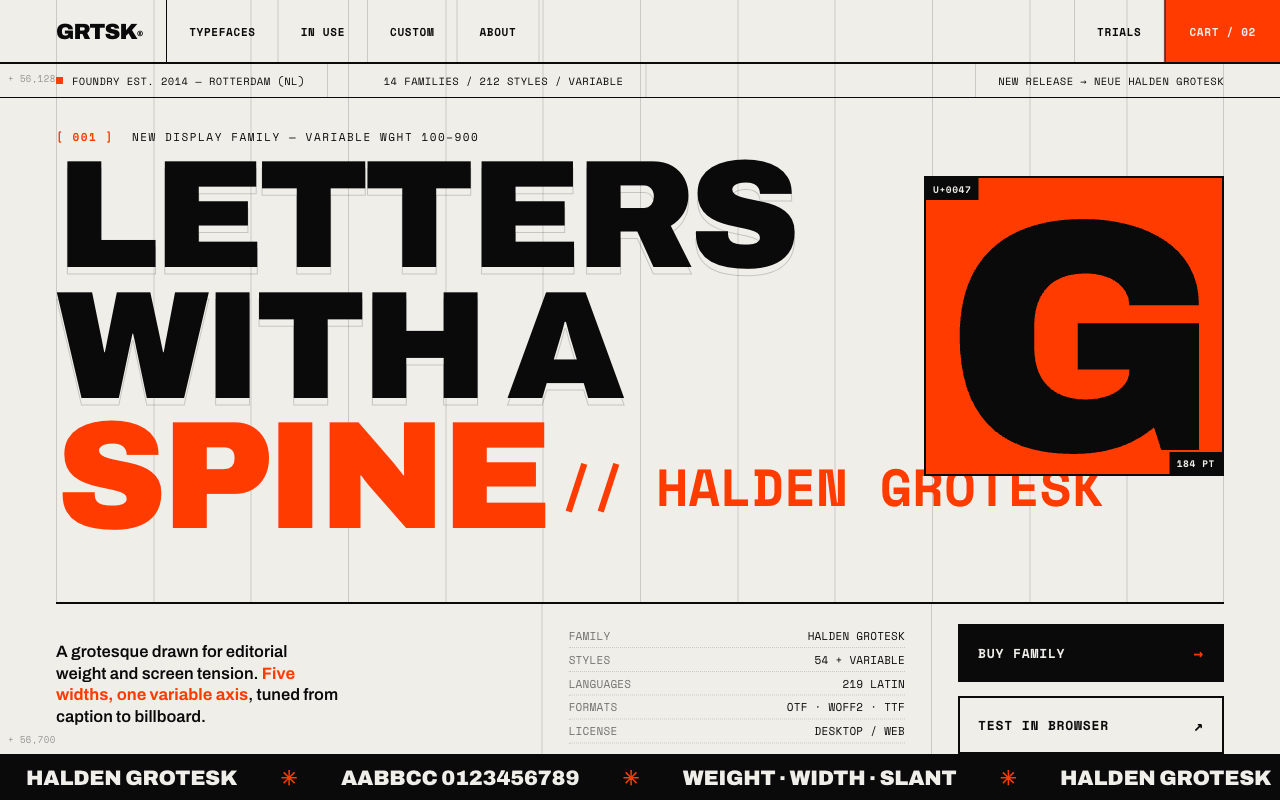 | 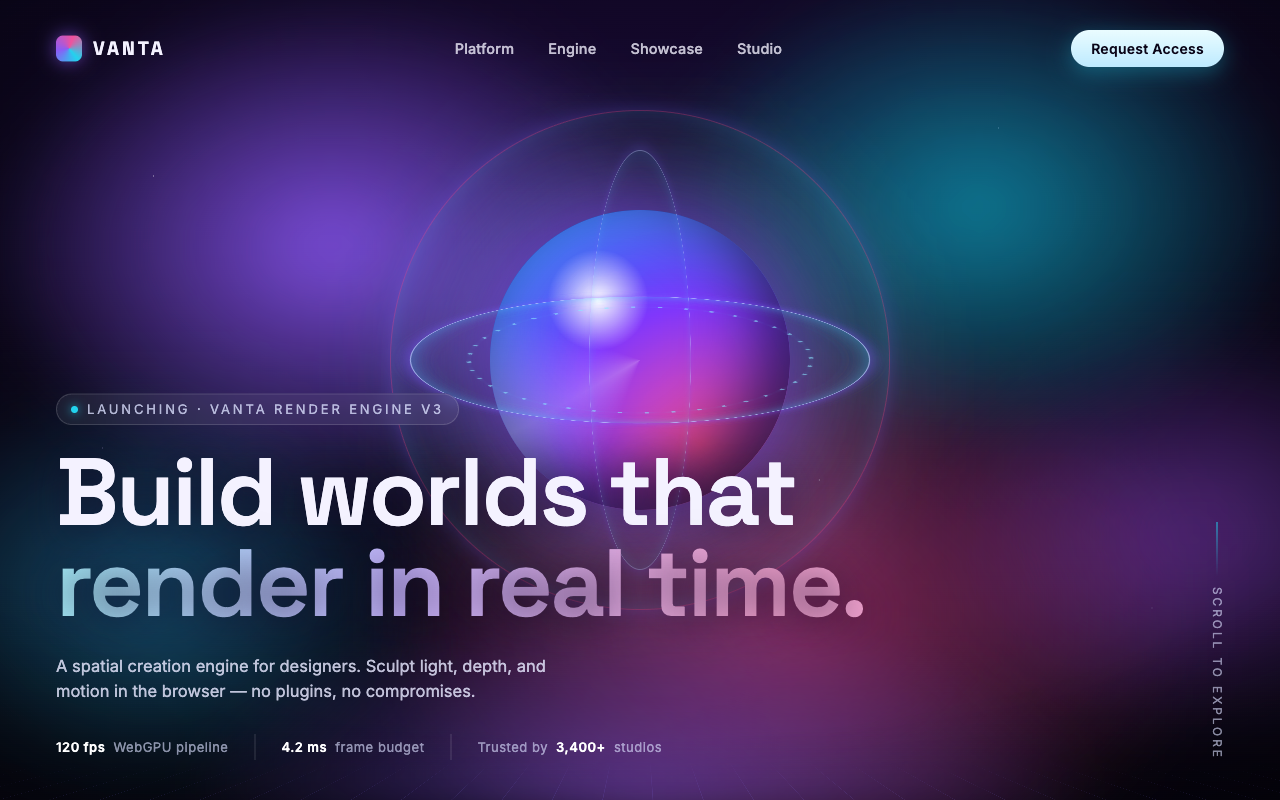 | 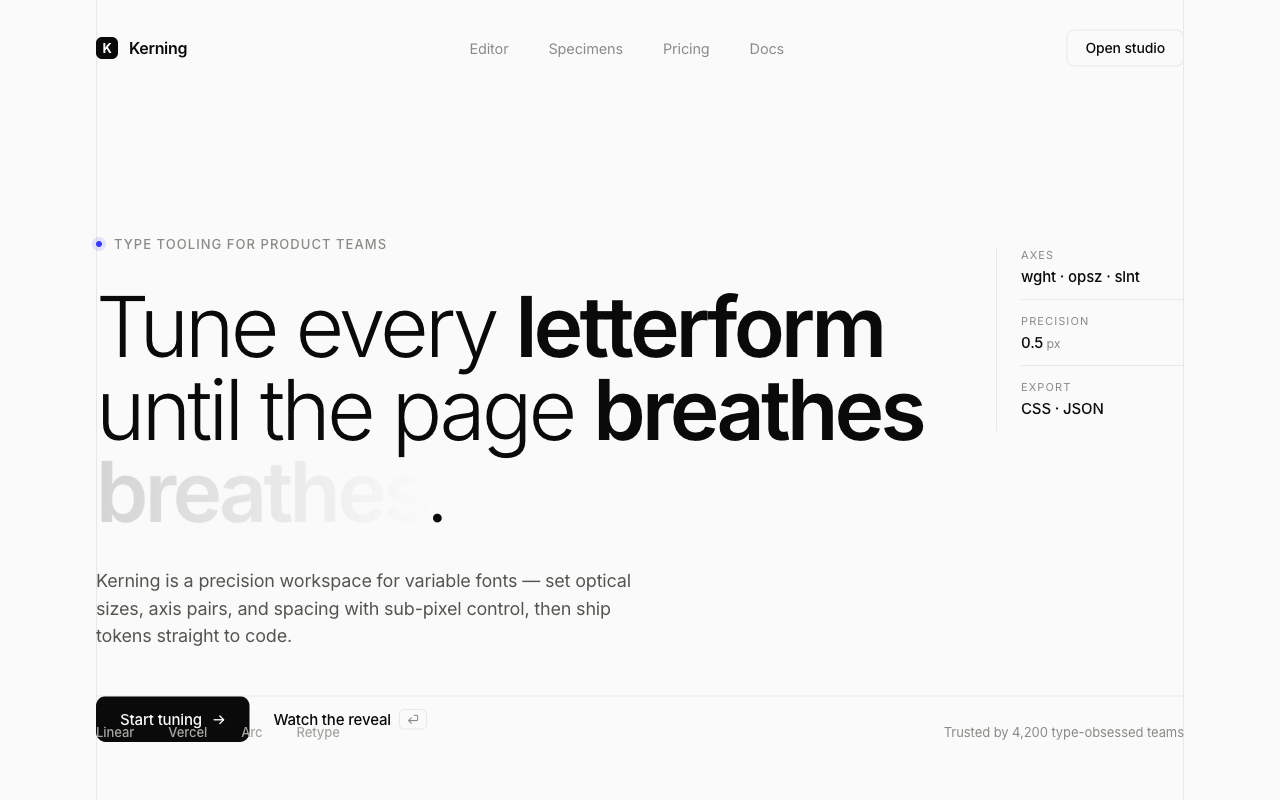 |
| brutalist-editorial | immersive-3d | kinetic-minimal |
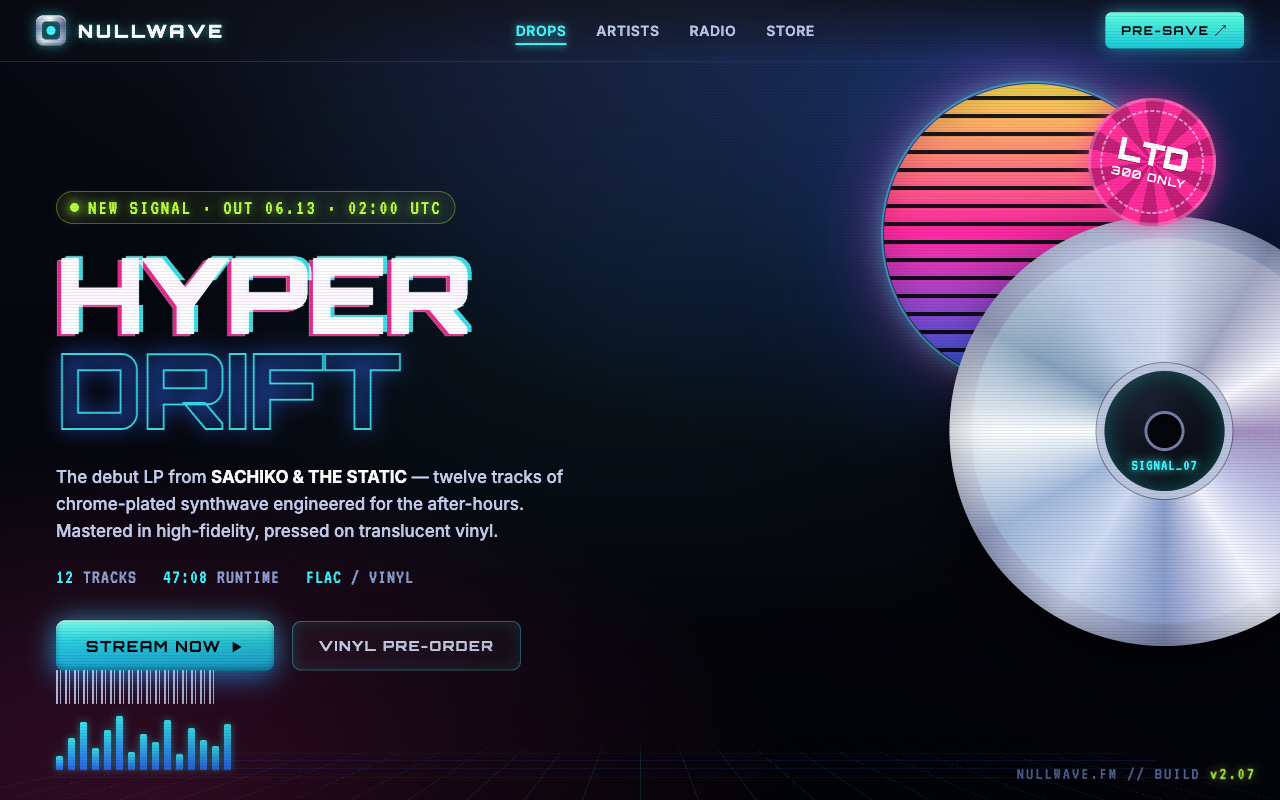 | 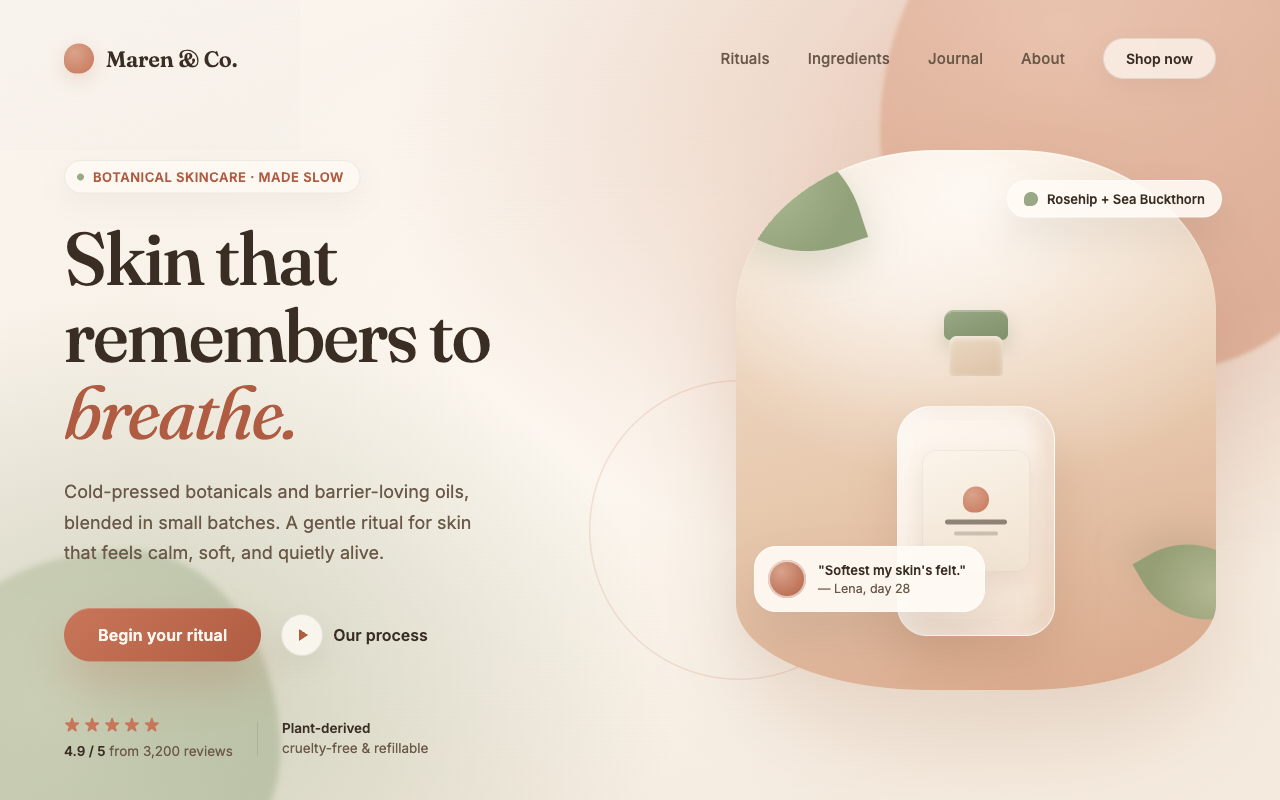 | 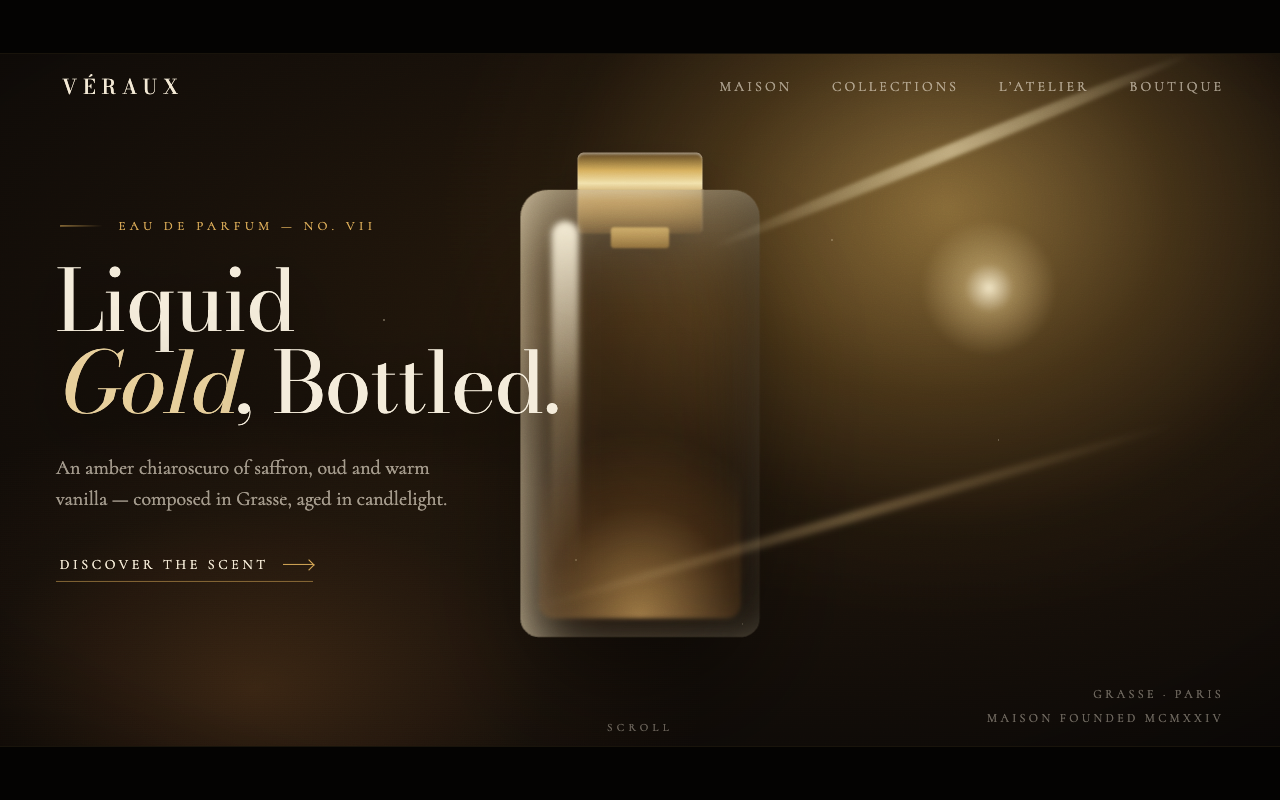 |
| retro-futurist | soft-organic | luxe-cinematic |
Hub-and-spoke model
- knowledge-base/00-agent.md is the hub — the agent's
system prompt: identity, quality bar, the three operating modes (
create/recreate/modify), a routing table, the standard workflow, and global guardrails. It is read every session and stays under 150 lines. - Spec docs 01–10 are the spokes — loaded ON DEMAND via the hub's routing table (progressive disclosure). Each follows one shared template (Purpose → Core Principles → Decision Framework → Specifications & Parameters → Libraries → Code Examples → Mode-Specific Guidance → Quality Checklist → Anti-Patterns → Sources & Verification) and stays under 500 lines.
- knowledge-base/_facts.md is the single source of truth for every library version, install command, import path, browser-support matrix, and spec status — all verified live on 2026-06-12. No other file may state a version on its own authority.
- knowledge-base/_conventions.md pins the shared
template plus canonical values (mode names, easing vocabulary, motion personalities,
duration classes, the base-8
space.{n}scale, token tiers) and a content-ownership map so each value has exactly one owning doc. - knowledge-base/templates/ holds the four fill-in
artifact skeletons the agent must emit:
design-system-spec.md,design-tokens.tokens.json(W3C DTCG 2025.10),motion-spec.md,implementation-plan.md. Their schemas are canonically defined in doc 10 §§2–5.
How it was produced (agent-team process)
- Phase 0 — foundation: a deep-research workflow (113 agents, 30 sources, 25 claims
adversarially verified 3-0) plus three targeted verification agents pinned every
volatile fact (GSAP licensing, Lenis/Motion renames, three.js WebGPU status, View
Transitions support, DTCG 2025.10, framework majors) into
_facts.md;_conventions.mdpinned shared values before any writer started. - Phase 1 — parallel writers: 11 writer subagents (one per doc + one for templates)
in three batches, each doing its own topic research and consuming
_facts.mdas law. - Phase 2 — review: a dedicated reviewer audited template compliance, cross-doc
consistency, every internal link, duplication, and verification hygiene →
_review-report.md(1 BLOCKER, 13 MAJOR, 8 MINOR). - Phase 3 — fix cycle: six fix agents with disjoint file sets resolved all 22 findings; a re-review verified each one and swept all 206 links → VERDICT: PASS (0 BLOCKER / 0 MAJOR outstanding).
- Phase 4 — hub:
00-agent.mdwas written last, against the final reviewed spokes, then independently validated.
Use as a Claude Code skill
A thin wrapper skill lives at .claude/skills/design-systems-agent/SKILL.md. It loads the hub
on demand and operates as the agent, so you invoke the whole system by describing a design task
instead of pasting a "read the hub" prompt.
- Project-local (this repo): already active — Claude Code discovers
.claude/skills/. - Global (any project): symlink it into your personal skills dir:
ln -s "$PWD/.claude/skills/design-systems-agent" ~/.claude/skills/design-systems-agent - Invoke: describe the work — e.g. "design a system for a furniture studio portfolio,
cinematic motion, no WebGL." Pick a mode:
create,recreate(from a URL), ormodify. - Output: four artifacts written to your project's
./design/— design-system spec, DTCG tokens, motion spec, implementation plan. Build the site from those (stage two).
Note: SKILL.md references this knowledge base by absolute path. If you move the repo,
update that one path in SKILL.md (or repackage the KB + skill as a Claude Code plugin and use
${CLAUDE_PLUGIN_ROOT}).
Building a whole site with it: see docs/building-an-award-winning-website.md — the end-to-end playbook (brief → spec → scaffold + token bridge → build → motion → assets → verify → ship) that turns the four artifacts into a finished, award-grade site.
How to update / iterate
- Re-verify versions quarterly (or before any new project): refresh
_facts.mdagainst the npm registry and official docs, bump each touched doc'slast_verified, and resolve theUNVERIFIED — confirm before useflags listed at the bottom of_facts.md. - After editing any doc: re-run a reviewer pass over the touched files (consistency
vs
_conventions.mdcanonical values, link/anchor sweep, ≤500-line limit) and append the result to_review-report.md. - Never restate owned values: check the ownership map in
_conventions.md§4 first; cross-reference instead of duplicating. - Most likely to go stale first: (1) npm versions in
_facts.md§§1–2 (GSAP, Lenis, Motion, three.js churn monthly); (2) three.js WebGPURenderer/TSL "experimental" status and the R3F v10 / drei v11 alpha lines; (3) View Transitions browser support (Firefox cross-document is the open gap); (4) framework majors (Next/Astro/Nuxt move fast; Astro 7 was already in beta at verification time); (5) the DTCG spec (2025.10 is the first stable — expect successor TRs).
License
Released under the MIT License — © 2026 Fabio Franco. Use, modify, and ship freely; attribution appreciated.