
Olares - Sistema Operacional de Nuvem Pessoal
beclab/Olares
Nuvem pessoal open-source para recuperar o controle dos seus dados
Ver no GitHubOlares é um sistema operacional de nuvem pessoal de código aberto que permite hospedar dados e aplicações localmente em seu próprio hardware. Oferece alternativas open-source aos serviços de nuvem pública (IaaS, PaaS, SaaS), incluindo suporte para LLMs, geração de imagens e busca com IA privada. Ideal para quem busca soberania digital e controle total sobre seus dados.
Instalação
npx convez-ai beclab/Olares1 comando no terminal: detecta o formato do repositório (marketplace ou plugin avulso) e instala via Claude Code. Requer Node 18+ e o Claude Code instalado.
Métricas
Casos de uso
- Auto-hospedagem de dados sensíveis e documentos pessoais
- Implantação local de modelos de linguagem (Ollama) e IA generativa (ComfyUI)
- Alternativa privada a serviços de nuvem pública (Google Drive, OneDrive, iCloud)
- Executar aplicações descentralizadas e independentes de provedores de cloud
Veredito

Projeto maduro e ambicioso que reimagina a infraestrutura pessoal como um sistema operacional completo. Para quem prioriza privacidade e soberania digital e tem capacidade técnica para autohospedar, mas exige conhecimento aprofundado de DevOps.
README
A tradução para o português deste README ainda está na fila.
Olares: An Open-Source Personal Cloud to Reclaim Your Data






The modern internet built on public clouds is increasingly threatening your personal data privacy. As reliance on services like ChatGPT, Midjourney, and Facebook grows, so does the risk to your digital autonomy. Your data lives on their servers, subject to their terms, tracking, and potential censorship.
It's time for a change.
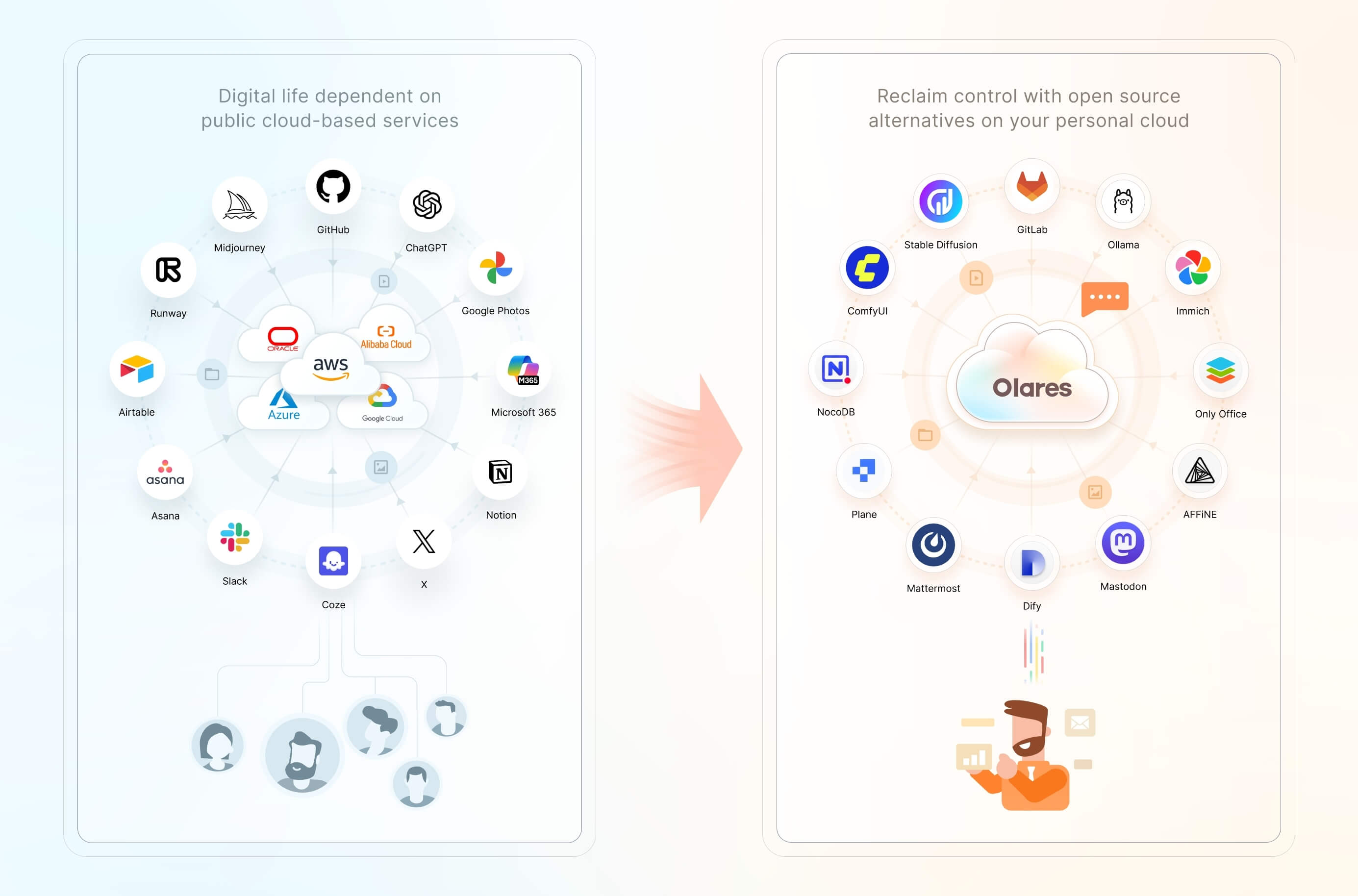 We believe you have a fundamental right to control your digital life. The most effective way to uphold this right is by hosting your data locally, on your own hardware.
Olares is an open-source personal cloud operating system designed to empower you to own and manage your digital assets locally. Instead of relying on public cloud services, you can deploy powerful open-source alternatives locally on Olares, such as Ollama for hosting LLMs, ComfyUI for image generation, and Vane (formerly Perplexica) for private, AI-driven search and reasoning. Imagine the power of the cloud, but with you in complete command.
🌟 Star us to receive instant notifications about new releases and updates.
Architecture
Just as Public clouds offer IaaS, PaaS, and SaaS layers, Olares provides open-source alternatives to each of these layers.
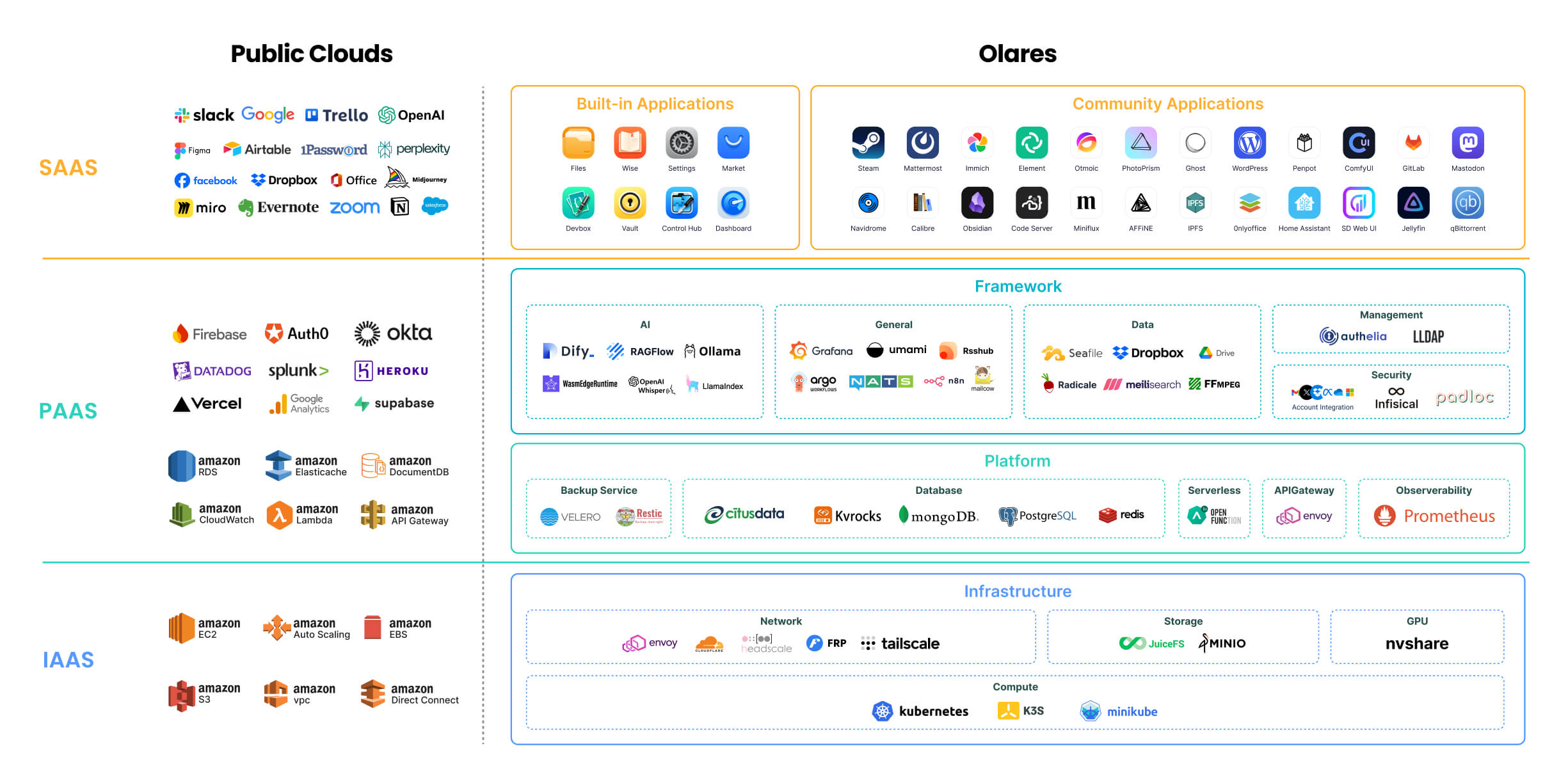
For detailed description of each component, refer to Olares architecture.
🔍 How is Olares different from traditional NAS?
Olares focuses on building an all-in-one self-hosted personal cloud experience. Its core features and target users differ significantly from traditional Network Attached Storage (NAS) systems, which primarily focus on network storage. For more details, see Compare Olares and NAS.
Features
Olares offers a wide array of features designed to enhance security, ease of use, and development flexibility:
- Enterprise-grade security: Simplified network configuration using Tailscale, Headscale, Cloudflare Tunnel, and FRP.
- Secure and permissionless application ecosystem: Sandboxing ensures application isolation and security.
- Unified file system and database: Automated scaling, backups, and high availability.
- Single sign-on: Log in once to access all applications within Olares with a shared authentication service.
- AI capabilities: Comprehensive solution for GPU management, local AI model hosting, and private knowledge bases while maintaining data privacy.
- Built-in applications: Includes file manager, sync drive, vault, reader, app market, settings, and dashboard.
- Seamless anywhere access: Access your devices from anywhere using dedicated clients for mobile, desktop, and browsers.
- Development tools: Comprehensive development tools for effortless application development and porting.
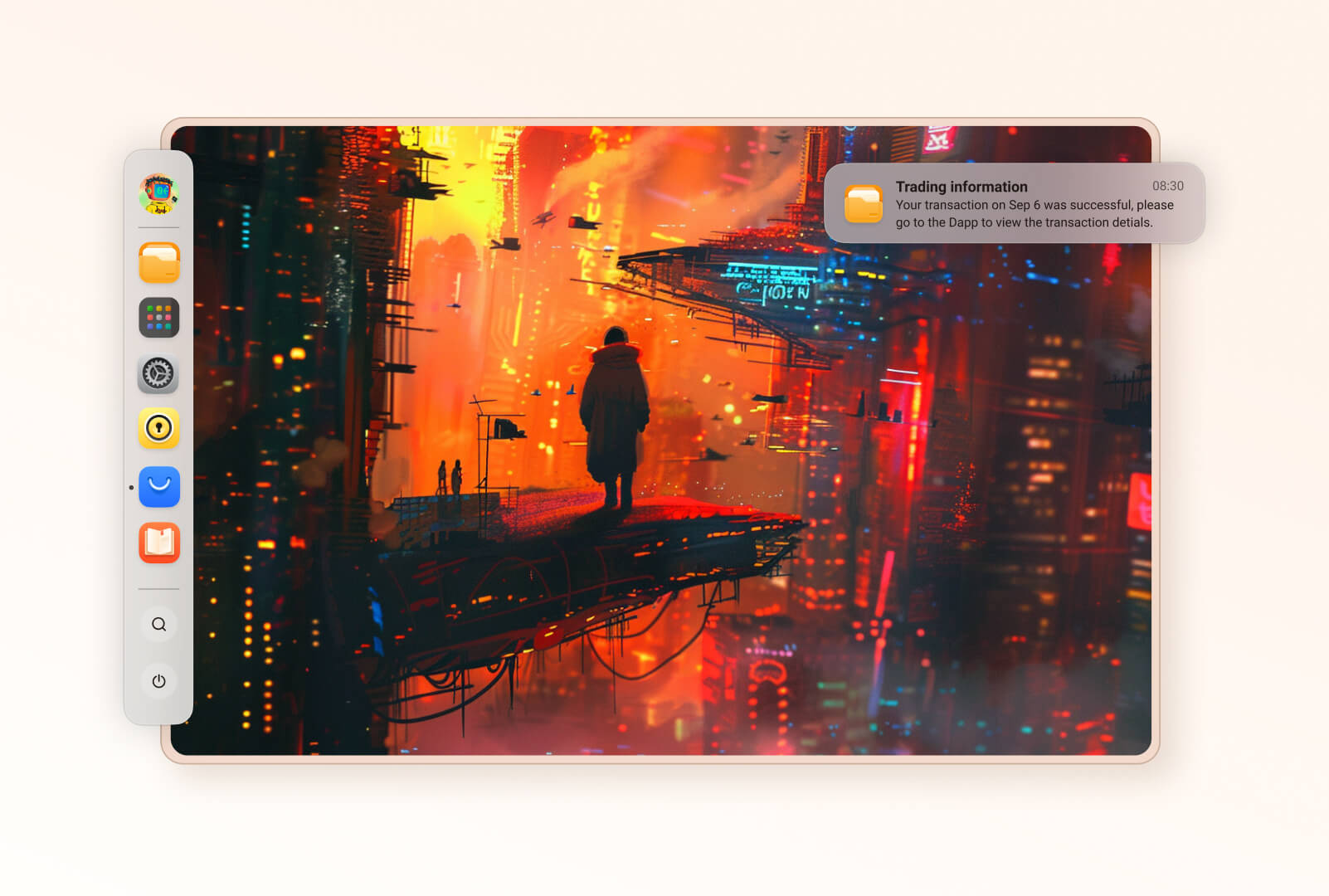
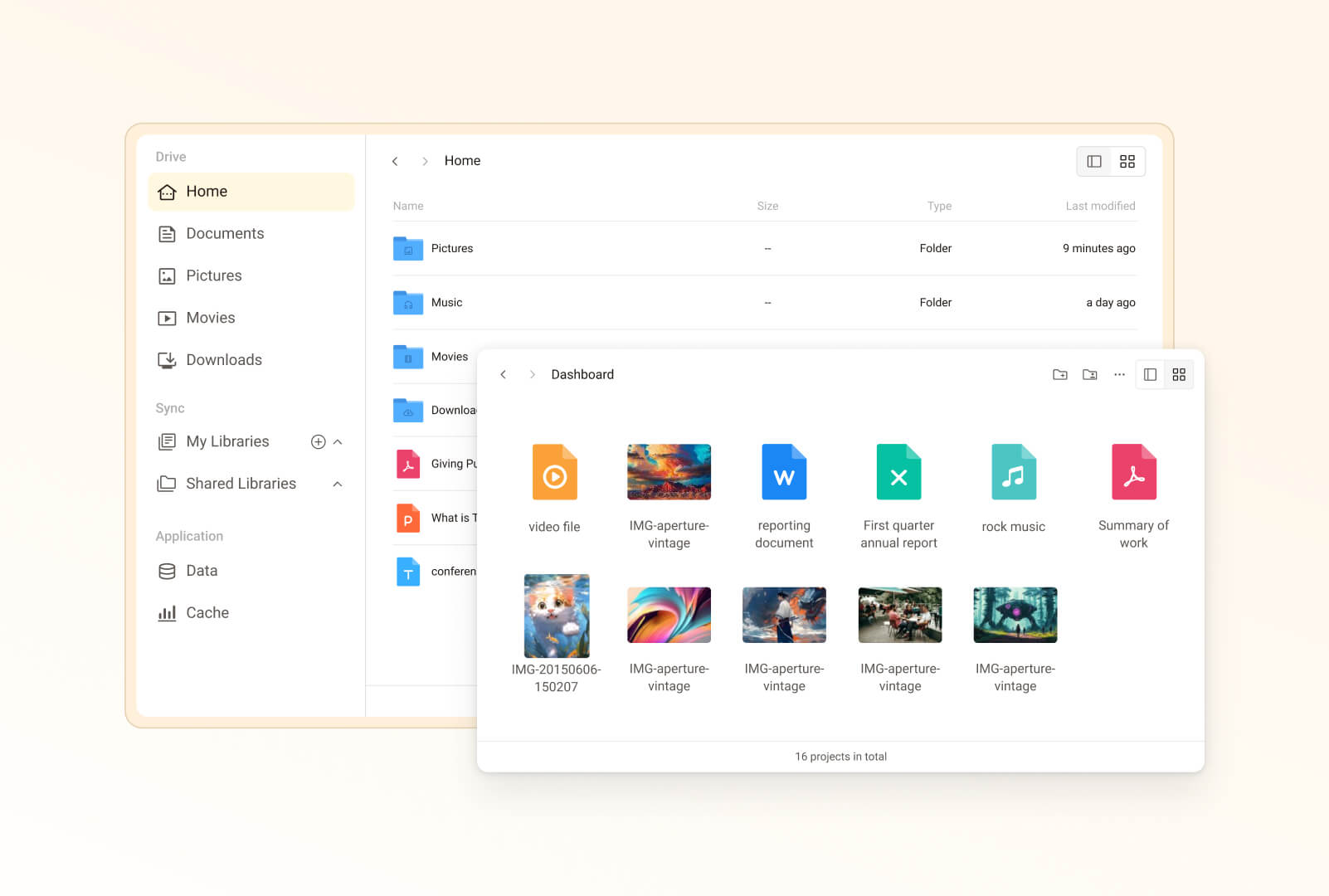
Here are some screenshots from the UI for a sneak peek:
| Desktop–Streamlined and familiar portal | Files–A secure home to your data |
|---|---|
 |  |
| Vault–1Password alternative | Market–App ecosystem in your control |
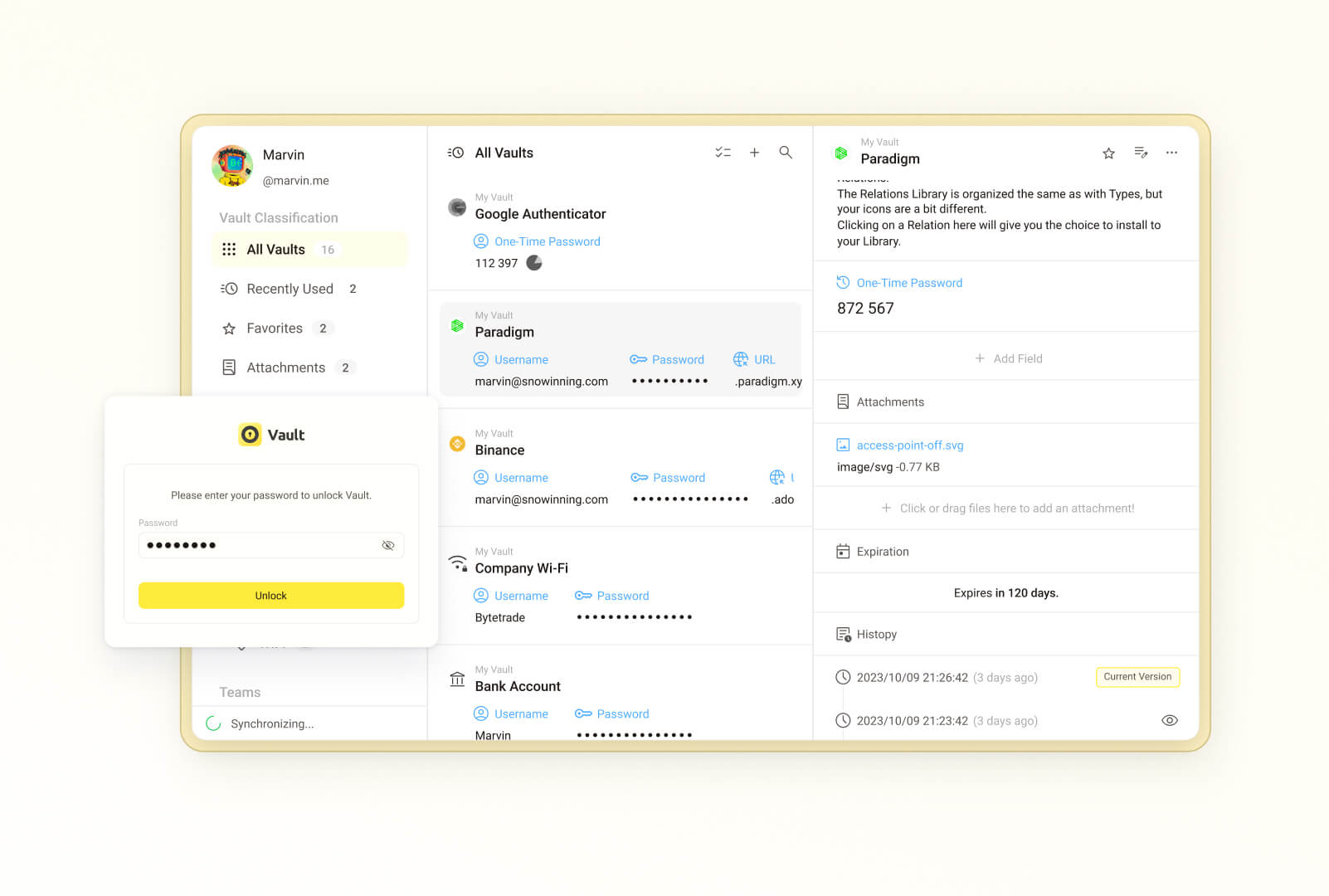 | 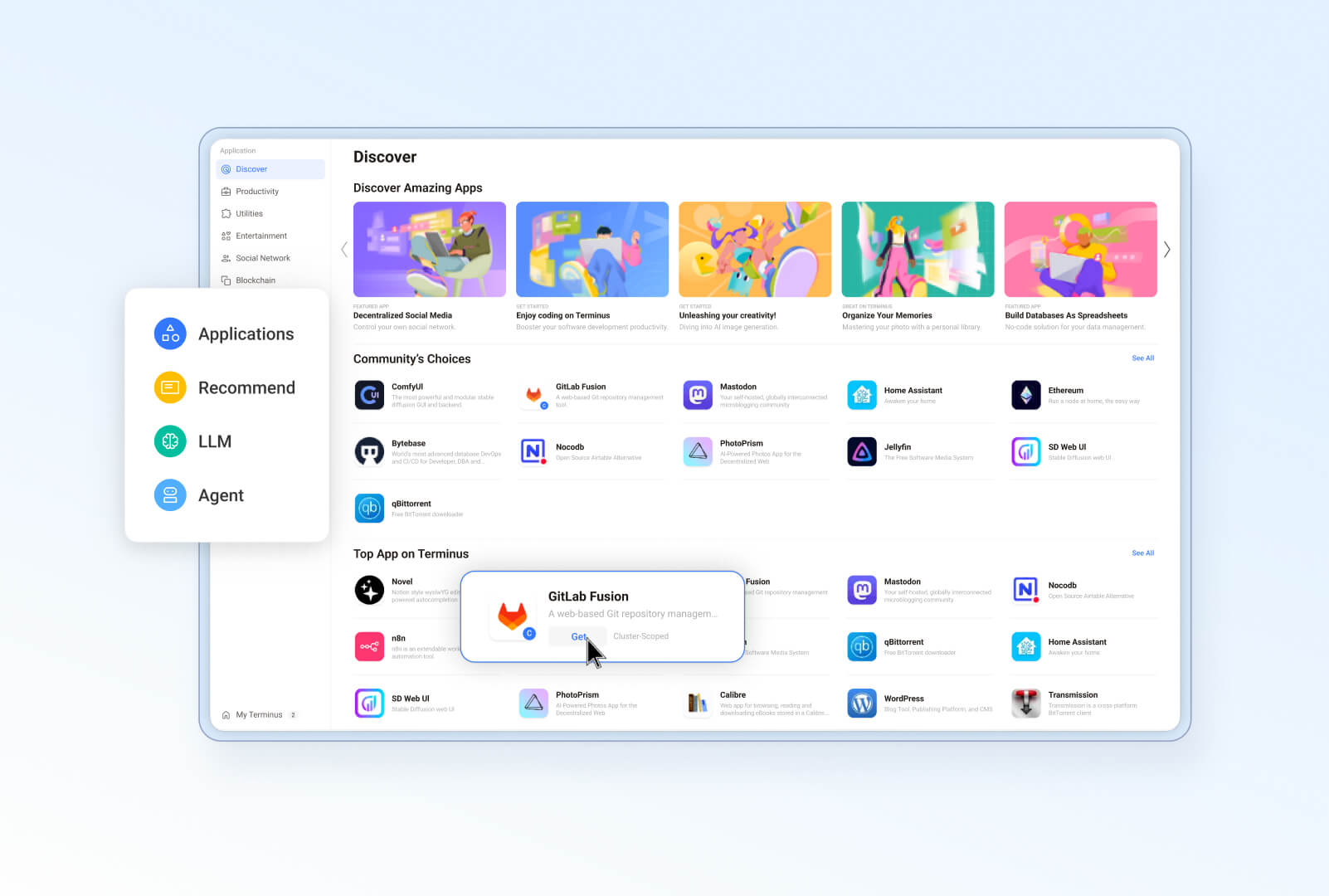 |
| Wise–Your digital secret garden | Settings–Manage Olares efficiently |
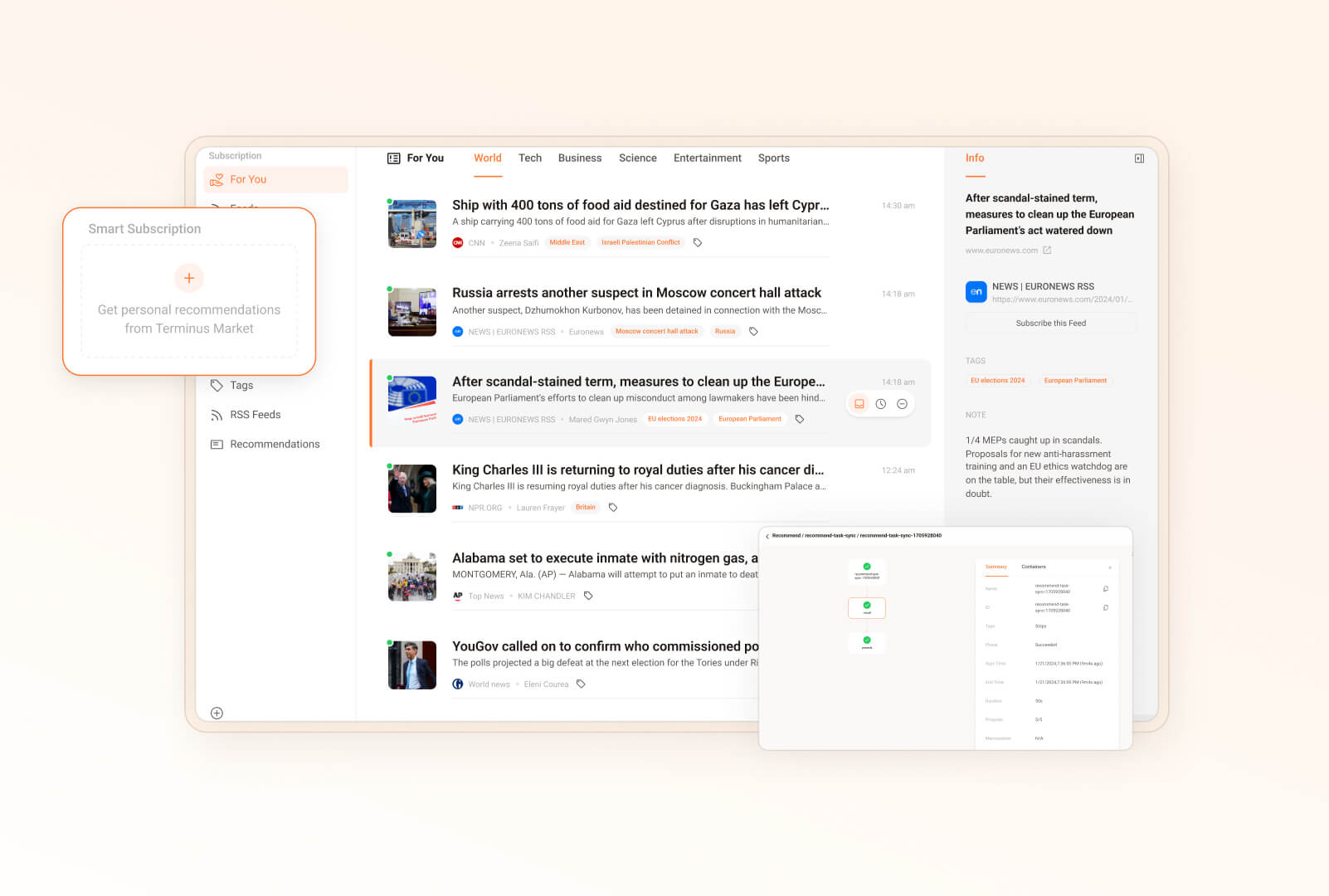 | 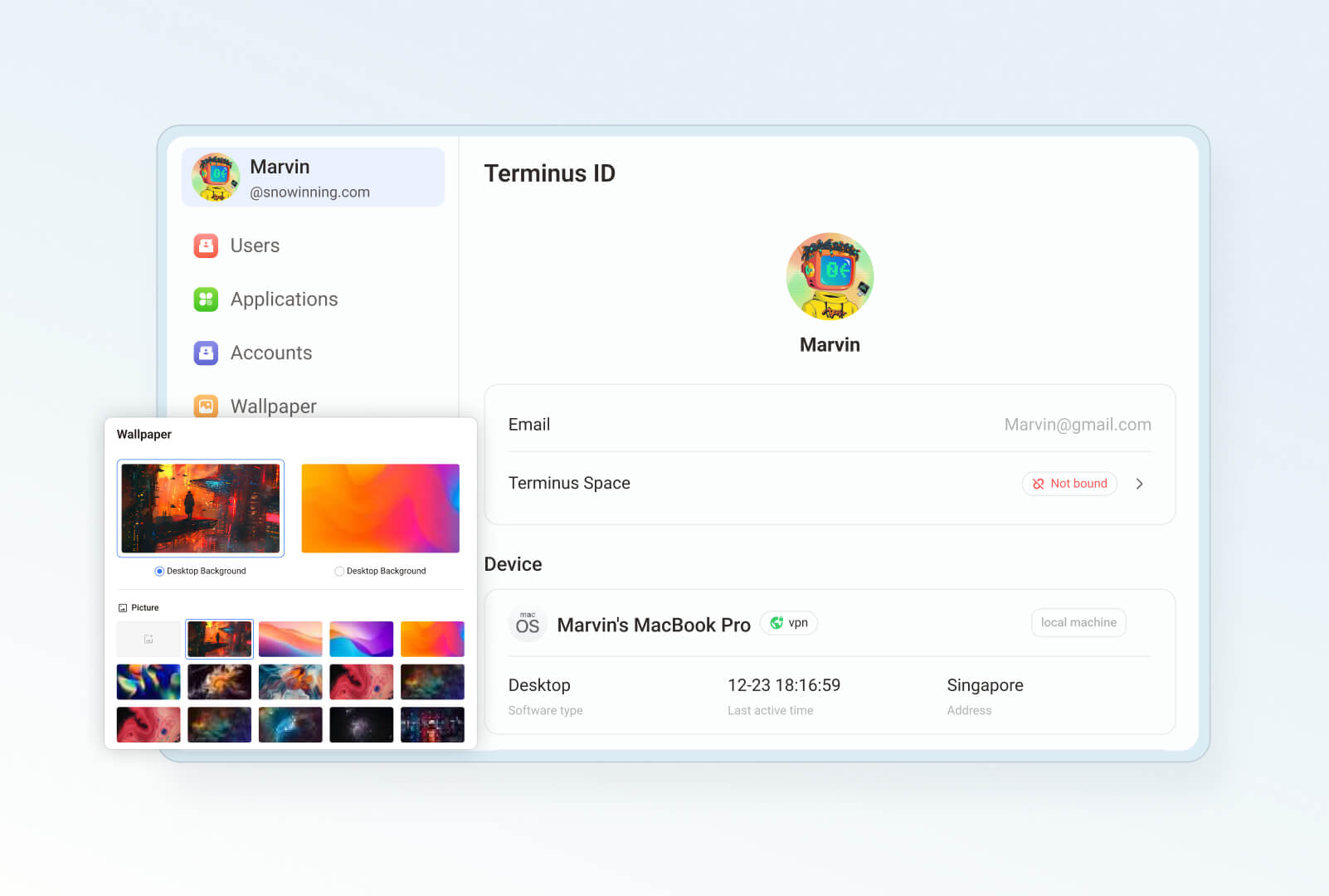 |
| Dashboard–Constant system monitoring | Profile–Your unique homepage |
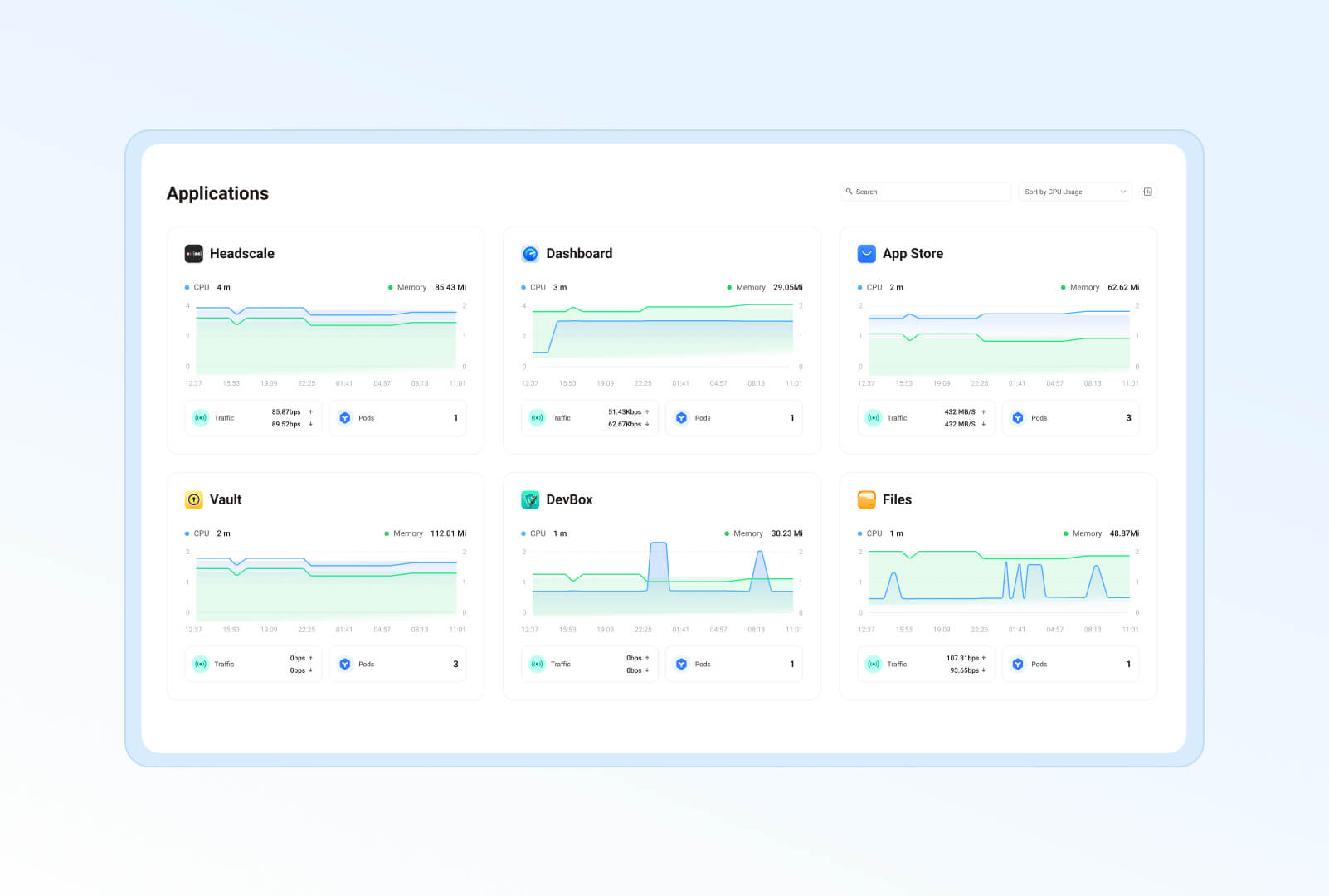 | 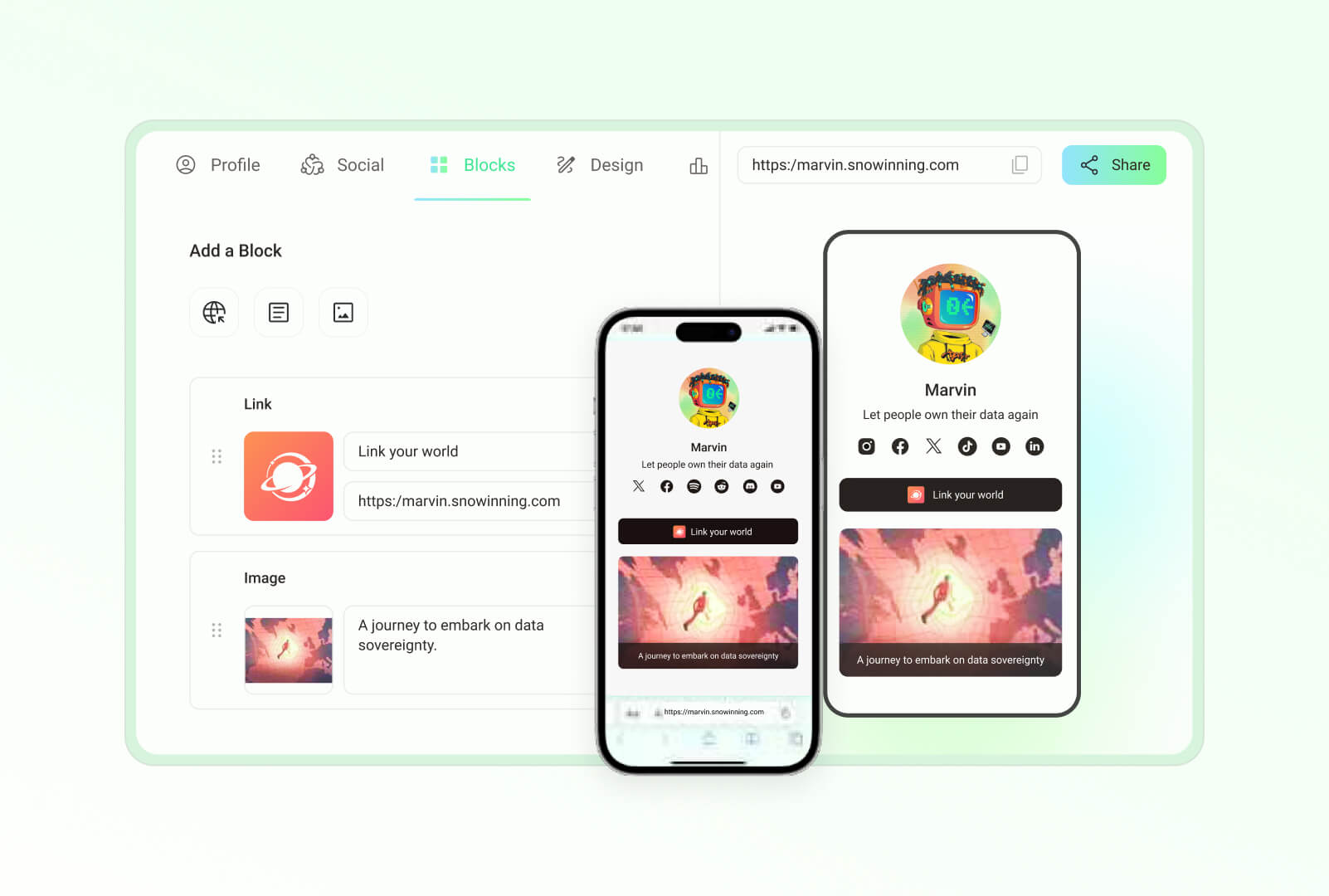 |
| Studio–Develop, debug, and deploy | Control Hub–Manage Kubernetes clusters easily |
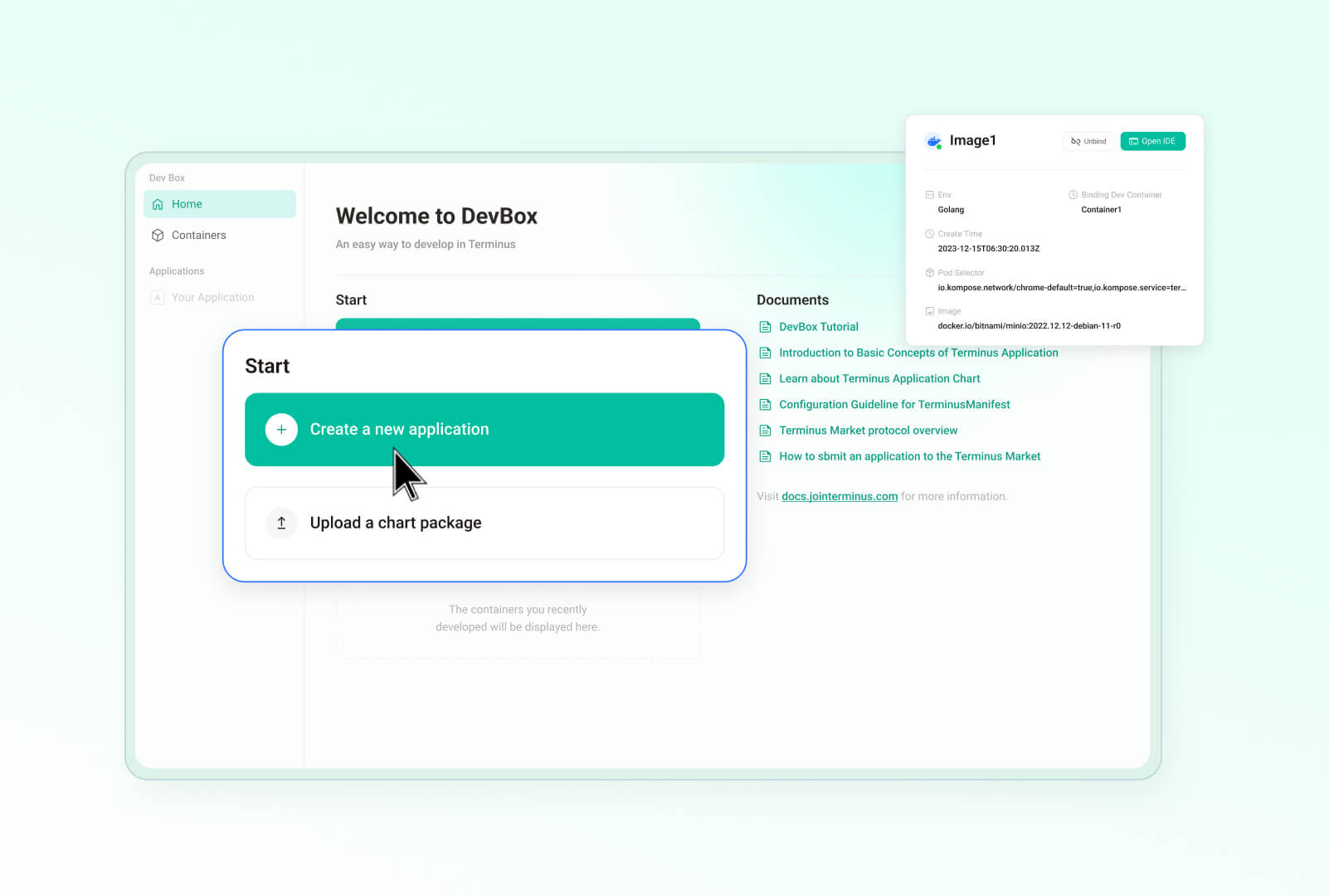 | 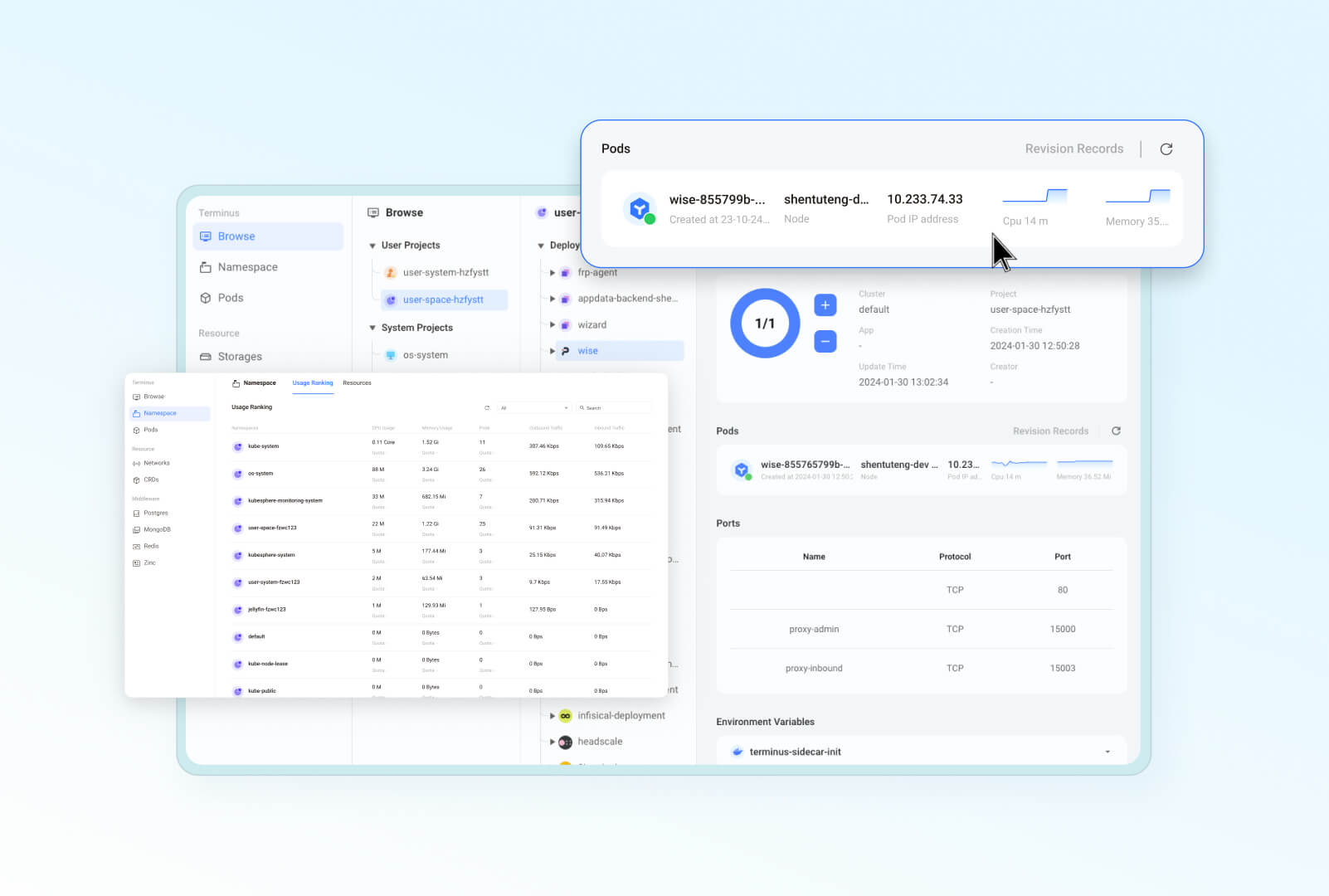 |
Key use cases
Here is why and where you can count on Olares for private, powerful, and secure sovereign cloud experience:
🤖 Edge AI: Run cutting-edge open AI models locally, including large language models, computer vision, and speech recognition. Create private AI services tailored to your data for enhanced functionality and privacy.
📊 Personal data repository: Securely store, sync, and manage your important files, photos, and documents across devices and locations.
🚀 Self-hosted workspace: Build a free collaborative workspace for your team using secure, open-source SaaS alternatives.
🎥 Private media server: Host your own streaming services with your personal media collections.
🏡 Smart Home Hub: Create a central control point for your IoT devices and home automation.
🤝 User-owned decentralized social media: Easily install decentralized social media apps such as Mastodon, Ghost, and WordPress on Olares, allowing you to build a personal brand without the risk of being banned or paying platform commissions.
📚 Learning platform: Explore self-hosting, container orchestration, and cloud technologies hands-on.
Getting started
System compatibility
Olares has been tested and verified on the following Linux platforms:
- Ubuntu 24.04 LTS or later
- Debian 11 or later
Set up Olares
To get started with Olares on your own device, follow the Getting Started Guide for step-by-step instructions.
Project navigation
This section lists the main directories in the Olares repository:
apps: Contains the code for system applications, primarily forlarepass.cli: Contains the code forolares-cli, the command-line interface tool for Olares.daemon: Contains the code forolaresd, the system daemon process.docs: Contains documentation for the project.framework: Contains the Olares system services.infrastructure: Contains code related to infrastructure components such as computing, storage, networking, and GPUs.platform: Contains code for cloud-native components like databases and message queues.vendor: Contains code from third-party hardware vendors.
Contributing to Olares
We are welcoming contributions in any form:
-
If you want to develop your own applications on Olares, refer to: https://docs.olares.com/developer/develop/
-
If you want to help improve Olares, refer to: https://docs.olares.com/developer/contribute/olares.html
Community & contact
- GitHub Discussion. Best for sharing feedback and asking questions.
- GitHub Issues. Best for filing bugs you encounter using Olares and submitting feature proposals.
- Discord. Best for sharing anything Olares.
Special thanks
The Olares project has incorporated numerous third-party open source projects, including: Kubernetes, Kubesphere, Padloc, K3S, JuiceFS, MinIO, Envoy, Authelia, Infisical, Dify, Seafile,HeadScale, tailscale, Redis Operator, Nitro, RssHub, predixy, nvshare, LangChain, Quasar, TrustWallet, Restic, ZincSearch, filebrowser, lego, Velero, s3rver, Citusdata.