
standard-development-workflow
arnlen/standard-development-workflow
A Claude skill to properly handle the implement of every feature, by going through a structured agentic workflow: architecture, TDD implementation, refactoring, verification, code and documentation review and closing
Instalação
npx convez-ai arnlen/standard-development-workflow1 comando no terminal: detecta o formato do repositório (marketplace ou plugin avulso) e instala via Claude Code. Requer Node 18+ e o Claude Code instalado.
Métricas
README
A tradução para o português deste README ainda está na fila.
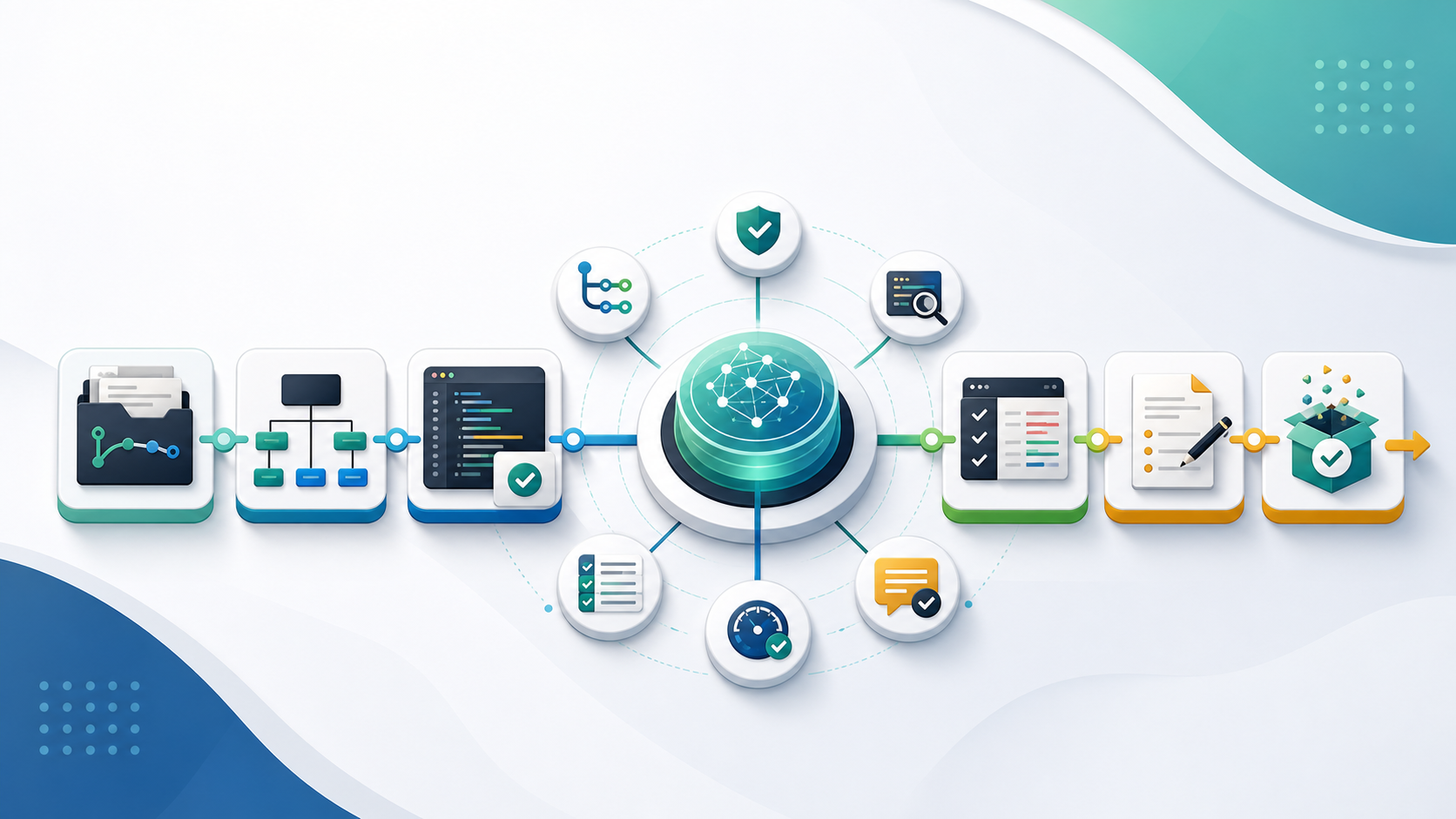
Standard Development Workflow
Standard Development Workflow (SDW) is a Claude skill starter kit for running repository-tracked work through a strict, agent-orchestrated engineering process. It is designed for developers who want AI-assisted changes to follow the same discipline expected from human contributors: context gathering, planning, implementation, verification, review, documentation checks, and clean session closing.
This project started as a personal Claude skill and is now published as an open source starting point that other projects can adapt.
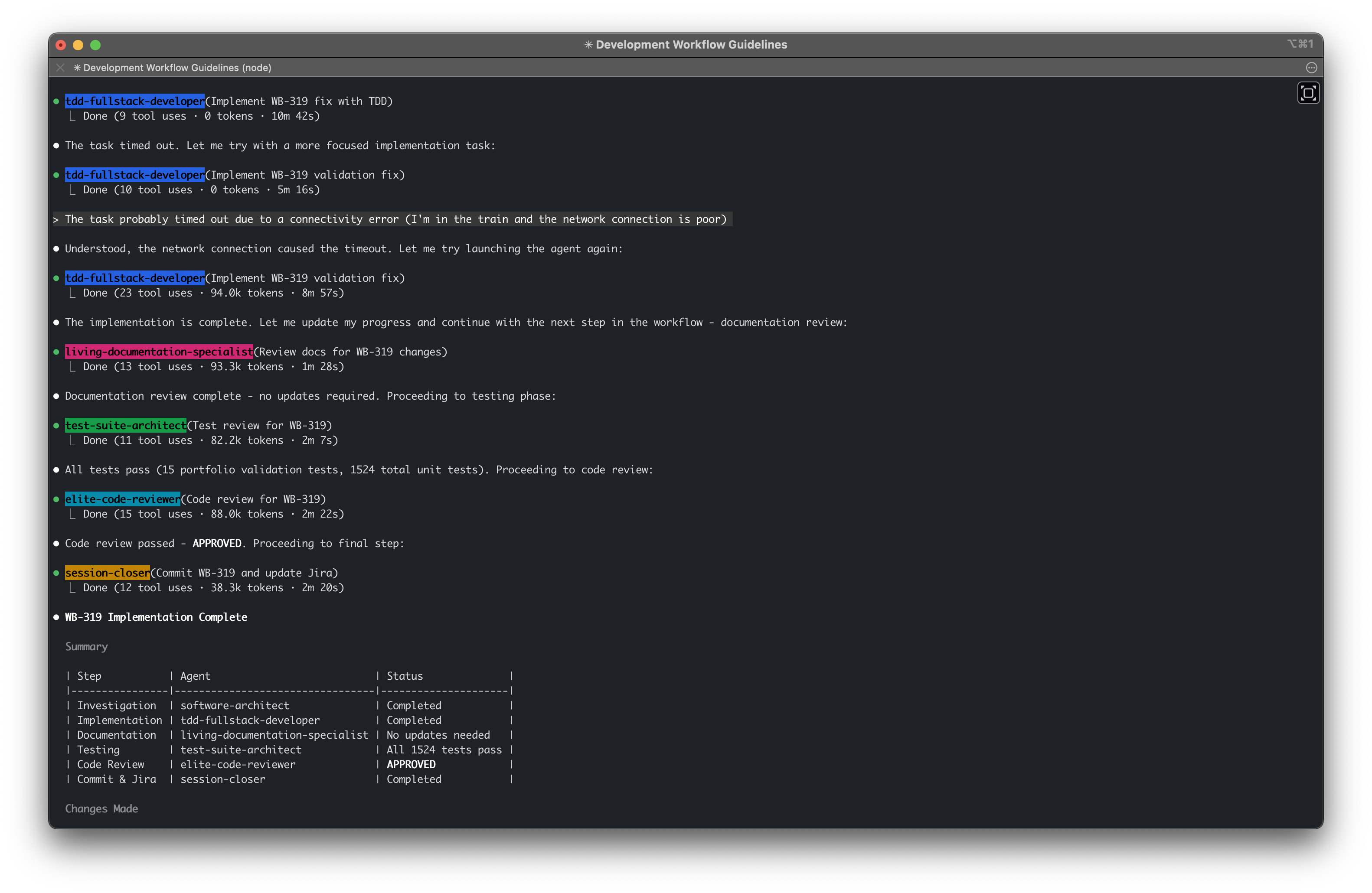
What SDW Provides
SDW defines a workflow for Claude to follow when editing a repository. The main Claude session acts as the orchestrator, while specialized generated agents handle architecture, implementation, verification, review, documentation review, and session closing.
The workflow is intentionally strict. It is meant to reduce common failure modes in AI-assisted development, including skipped context, vague plans, unverified changes, shallow reviews, unrelated edits, and messy handoff at the end of a session.
At a high level, SDW requires Claude to:
- inspect the repository state before editing;
- read the relevant project documentation and source files;
- produce a decision-complete architecture plan;
- implement with TDD or docs-first discipline;
- run change-aware quality checks and verification;
- complete two review loops with focused reviewer agents;
- verify documentation and examples against the final behavior;
- close the session with clean git hygiene and a clear final report.
Included Files
This starter kit contains:
SKILL.md: the Standard Development Workflow skill definition.agents-to-generate.md: starter prompts for the required Claude agents.README.md: this project overview and installation guide.
Installation
Clone or download this repository, then copy the skill files into the host project's Claude skills directory:
HOST_PROJECT=/path/to/host/project

mkdir -p "$HOST_PROJECT/.claude/skills/standard-development-workflow"
cp SKILL.md README.md agents-to-generate.md \
  "$HOST_PROJECT/.claude/skills/standard-development-workflow/"
The final host-project layout should include:
.claude/
  skills/
    standard-development-workflow/
      SKILL.md
      README.md
      agents-to-generate.md
Generate the Required Agents
SDW depends on project-specific Claude agents. Generate them in the host
project's .claude/agents/ directory before enabling the workflow:
software-architectdevelopertest-suite-architectcode-reviewerdocumentation-specialistsession-closer
Use agents-to-generate.md as the source material for each generated agent. The
prompts in that file are intentionally written as starters: adapt them to the
host project's stack, docs, safety constraints, issue tracker, and review
standards before generation.
How the Workflow Runs
Once installed and adapted, ask Claude to perform repository work as usual. For example:
Use the Standard Development Workflow to implement this feature...
The skill instructs Claude to run the work through these phases:
- Prepare: inspect git state, rebase when appropriate, read current docs and sources, classify dirty paths, and identify affected features.
- Architecture and work plan: use
software-architectto define acceptance criteria, scope, risks, implementation steps, and verification. - Implement via TDD: use
developerto make the smallest maintainable change. - Refactor and local quality: use
developeragain to improve the touched area and run relevant quality checks. - Verification: use
test-suite-architectto select and run the right checks. - Review loop one: use focused
code-reviewerpasses to find blockers, regressions, deferred findings, and scope-expanding issues. - Review loop two: re-review fixes and affected behavior after the first loop.
- Documentation review: use
documentation-specialistto verify docs, examples, comments, and workflow references. - Session closing: use
session-closerto verify final hygiene, commit or integrate when in scope, and summarize the session.
The detailed rules live in SKILL.md. Treat that file as the source of truth for
the workflow contract.
Host Project Assumptions
The default skill expects a host project with:
- a
CLAUDE.mdfile at the repository root; - project documentation in a
docs/directory; - Linear as the canonical issue tracker for deferred findings;
- local fallback records in
plans/deferred-findings.mdonly when Linear is unavailable after a real attempt.
These defaults are not universal. Before adopting SDW in another project, review
SKILL.md and update paths, commands, issue-tracker rules, git conventions, and
verification expectations so they match that project.
Customization Guide
At minimum, adapt:
- repository setup and documentation paths;
- branch, rebase, merge, commit, and push conventions;
- required test, lint, type-check, build, migration, and documentation commands;
- agent prompts in
agents-to-generate.md; - issue-tracker behavior, especially deferred-finding persistence;
- security and privacy routing for sensitive review findings;
- project-specific stop conditions and approval requirements.
The goal is not to make every project follow the author's exact workflow. The goal is to give each project a clear, enforceable workflow that Claude can follow without guessing.
Verifying Installation
After installation and agent generation, run a small, low-risk repository task through Claude. A good first test is a docs-only change or a tiny behavior change with an obvious test.
You should see Claude:
- read the relevant project context before editing;
- invoke or request the required agents;
- keep edits inside the approved scope;
- run the selected verification checks;
- report review outcomes, documentation status, and final git hygiene.
If Claude skips required phases or cannot access the generated agents, stop and fix the installation before relying on SDW for larger changes.
Limitations
SDW is intentionally opinionated and can feel heavy for very small changes. It is best suited to repositories where reviewability, traceability, and disciplined handoff matter more than raw speed.
The starter kit also assumes Claude agent tooling is available. If the required agent runtime or authorization is missing, the workflow should stop and ask for direction rather than silently bypassing the missing step.
License
This project is released under the MIT License. See LICENSE for details.